How Electronics Recycling Helps Reduce Pollution
Sustainable Solutions: How E-Waste Recycling Services Are Saving Our Planet
E-waste poses significant threats to the environment, as discarded electronics often contain toxic materials. These toxic materials have the potential to taint soil and water sources, causing extensive damage to surrounding ecosystems. Electronic waste recycling programs offer an effective remedy. They successfully retrieve useful resources while simultaneously minimizing environmental pollution. Comprehending the operation of these services and their influence on communities is of great importance. The journey towards effective e-waste management raises critical questions about individual responsibility and collective action. What actions should be considered going forward?
Why E-Waste Is Bad for the Planet
Although technology enriches contemporary living, e-waste creates significant environmental threats. Discarded electronic devices, commonly laden with dangerous compounds like mercury, lead, and cadmium, are capable of seeping pollutants into groundwater and soil, creating hazards for ecosystems and human health. The swift progression of technology contributes to greater consumer replacement of electronic devices, exacerbating the accumulation of e-waste.
Landfills, already strained by waste, are unable to keep up with the rising quantities of abandoned electronics. Burning, an alternative disposal approach, discharges toxic contaminants into the air, worsening overall air quality. Furthermore, inadequate recycling methods can result in the shipment of electronic waste to underdeveloped nations, where workers may break down equipment without proper protective measures, putting themselves at risk of exposure to hazardous materials. This cycle of neglect and improper handling underscores the urgent need for sustainable recycling solutions that can mitigate the adverse effects of e-waste on the planet.
What Is E-Waste and Why Is It Important?
E-waste, or electronic waste, encompasses discarded electronic devices like televisions, computers, and smartphones that are no longer functional or needed. This increasingly prevalent form of waste is important because of its swift buildup, driven by technological advancements and consumer trends. As more devices become obsolete, the environmental impact intensifies, with toxic materials such as lead, mercury, and cadmium posing risks to ecosystems and human health.
The significance of tackling e-waste extends beyond minimizing these risks to recognizing the valuable resources it holds. Precious metals and rare earth elements can be recovered and reused, reducing the need for mining and conserving natural resources. By understanding e-waste and its implications, individuals and organizations can make informed decisions about disposal and recycling, ultimately contributing to a more sustainable future. Effective handling of e-waste is vital for encouraging a circular economy and advancing environmental responsibility.
How E-Waste Recycling Works
E-waste recycling entails a systematic process designed to recover valuable materials while reducing harm to the environment. At the outset, electronic waste is gathered and delivered to purpose-built recycling plants. After reaching the facility, the electronics are carefully categorized to isolate dangerous parts from recoverable materials.
Following this, technicians dismantle the products, separating metals, plastics, and glass. This process is vital, as it makes possible the reclamation of valuable metals like copper, gold, and silver, which may be utilized in new electronic products.
Afterward, the separated materials are handled through advanced techniques, such as shredding and chemical treatments, to cleanse them for reuse.
Ultimately, the leftover hazardous waste is handled with responsibility, adhering to eco-friendly standards. This systematic method not only conserves resources but also minimizes the hazards associated with irresponsible electronic waste disposal, ensuring a more sustainable future for the consumption of electronics.
Advantages of E-Waste Recycling for You and Your Community
Although it often goes unnoticed, the benefits of e-waste recycling go far beyond individual benefit and actively shape entire communities. By carefully processing electronic waste, individuals help foster a safer environment, minimizing harmful substances that can seep into soil and water. This forward-thinking practice helps preserve local ecosystems and promotes public health.
Moreover, the recycling of e-waste encourages workforce growth within communities. Community recycling operations commonly require workers for a range of functions, spanning collection through processing, thus generating valuable job opportunities for community members. This not only enhances the community economy but also promotes community participation in sustainable initiatives.
Additionally, understanding of e-waste recycling has the potential to generate educational initiatives, empowering residents to adopt eco-friendly choices. By taking part in e-waste recycling programs, individuals promote a culture of sustainability, inspiring others to join the movement. Ultimately, the combined impact of these actions can result in a more robust and eco-friendly community.
How to Choose an E-Waste Recycling Service
Selecting the most suitable e-waste recycling service is vital for guaranteeing that electronic waste is processed in a responsible and sustainable manner. First, consumers should check the company's credentials, such as R2 or e-Stewards, which demonstrate compliance with established benchmarks for safe recycling practices. It's also important to examine the organization's reputation by reviewing feedback and looking for advice from dependable sources.
Next, clarity in the recycling process is essential. A reliable provider should provide clear information about the manner in which e-waste is managed and how the materials are utilized. Additionally, evaluating the range of services offered can be beneficial; various firms may supply retrieval services or extend benefits for recycling.
Ultimately, familiarizing yourself with regional rules concerning e-waste disposal Read the post can additionally influence the selection process. When these considerations are given priority, residents can actively participate in effective e-waste management while also advancing sustainable environmental efforts.
How You Can Get Involved in E-Waste Recycling?
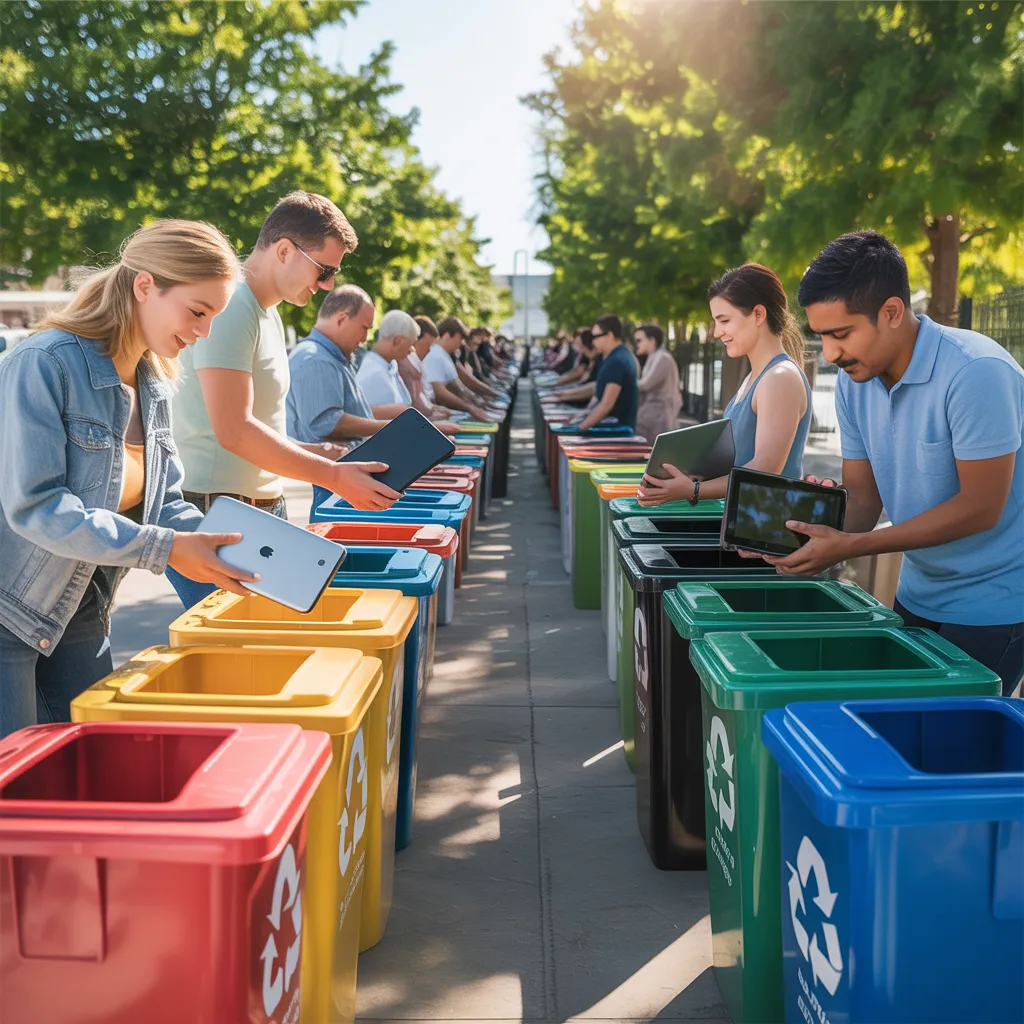
Engaging in e-waste recycling often starts at the local level, where local recycling facilities often provide essential services for responsible disposal. Furthermore, participating in community awareness campaigns can strengthen efforts to raise awareness about the importance of proper e-waste handling. Such efforts not only promote sustainability but also cultivate a collective sense of stewardship of the environment.
Regional Recycling Centers
A wide range of regional recycling hubs play an essential role in e-waste recycling, offering communities convenient opportunities to dispose of electronic waste responsibly. These hubs welcome a variety of electronic devices, including aging computers, cell phones, and television sets, ensuring that harmful materials are handled safely. Many hubs feature experienced team members who are able to assist individuals with correct disposal techniques, underscoring the benefits of recycling compared to landfilling. Additionally, several stations organize organized drop-off opportunities or appointed collection periods, making it easy for residents to participate. By taking advantage of these neighborhood resources, people help build a circular economy, reducing environmental impact and promoting sustainable practices. Partnering with these facilities enables communities to combat e-waste pollution successfully.
Public Awareness Initiatives
Community groups, educational institutions, and companies can collaborate to host events that promote e-waste collection drives. Dedicated participants can take a leading part in raising awareness, sharing informational resources, and connecting with local residents. Through these collective efforts, residents become more informed and motivated to recycle their electronic waste, ultimately contributing to a more sustainable future.
Frequently Asked Questions
What Types of Electronics Can Be Recycled?
Numerous electronics are able to be recycled, including computers, smartphones, televisions, laptops, gaming consoles, and printers. Moreover, peripherals such as batteries, keyboards, and mice are well-suited for recycling, aiding in environmental conservation efforts.
Are There Any Costs Associated With E-Waste Recycling?
Indeed, electronic waste recycling can include fees, subject to the facility. Some service centers apply costs for pickup or handling, while others make services available at no charge, frequently supported by the proceeds from salvaged materials.
What Are the Benefits of E-Waste Recycling for Businesses?
Businesses can benefit from e-waste recycling by reducing disposal costs, strengthening their ecological standing, meeting compliance standards, reclaiming useful materials, and possibly earning income through resale, ultimately contributing to a more sustainable operational strategy.
What Becomes of Data on Recycled Devices?
Information regarding refurbished equipment is often completely removed or destroyed during the refurbishment process. This confirms sensitive information stays protected, stopping improper access while allowing materials to be recycled securely and sustainably within new applications.
Are Broken Electronics Eligible for Recycling?
Absolutely, defective electronics can be recycled. Numerous centers take in defective devices, guaranteeing responsible disposal and retrieval of useful materials. Doing so helps lower environmental impact while supporting responsible recycling practices to control e-waste efficiently.